Prickly pear 4:1, 100 mg
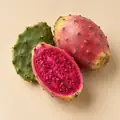
Prickly pear comes from Opuntia cacti, eaten as fruit and pads in Mexico and the US Southwest. A 2019 systematic review examined how cactus consumption affects blood glucose and insulin (Medicina review); much of that research used whole cactus pads, fruit or products in food amounts, not a 100 mg extract.
Mangosteen powder, 100 mg

Mangosteen (Garcinia mangostana) is rich in xanthones, antioxidant compounds. MSK says small clinical studies suggest possible benefits for weight management and other uses, but confirmatory studies are needed (MSK).
Cautions
- MSK lists possible effects on drug-metabolising (CYP450) enzymes and additive effects with cyclosporine and tacrolimus, and advises caution during chemotherapy or radiation (MSK).
- One case of severe lactic acidosis was reported in a person drinking mangosteen juice daily for a year.
- Prickly pear adds to MeltTide’s blood-sugar stack; see Blood-sugar supplement stacking.
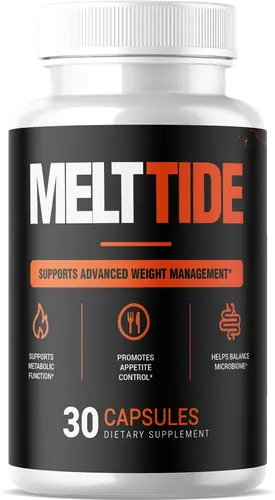
Considering MeltTide? Two bottles are $158 plus shipping; six are $294 ($49 each) with free US shipping and three bonus guides. Only unopened bottles can be refunded, and several ingredients touch blood sugar, so read the safety guide first.
Order MeltTide From $49/BottleQuestions
Does prickly pear lower blood sugar?
Some studies, mostly of whole cactus, looked at glucose and insulin; a 100 mg extract is different.
Is mangosteen safe?
Generally in food amounts; MSK lists drug-enzyme and chemotherapy cautions.